Butterflies and bees -it’s a buzzy time of year

Help beautiful buzzies bounce back
It’s a beautiful and uplifting sight to see butterflies fluttering and bees buzzing among the wildflowers and hedgerows along the North Norfolk coast, bringing life and colour to the landscape. These graceful pollinators are not only a joy to watch but also vital to our ecosystems. Unfortunately, habitat loss, pesticide use, climate change, and disease have all contributed to their population declines. A 2024 survey by the Butterfly Conservation Organisation : the Big Butterfly Count revealed that the butterfly population in Norfolk was down by 24 per cent. It is a similar situation with bees.
Ways we can help butterflies and bees
Fortunately, anyone with a garden—large or small—can take practical steps to create a haven for these essential creatures. Here’s how to help butterflies and bees thrive in your outdoor space.
1. Plant Pollinator-Friendly Flowers
The most effective way to support butterflies and bees is by planting a variety of nectar- and pollen-rich flowers. Choose native plants whenever possible, as they are best suited to local pollinators. Bees and butterflies are particularly drawn to brightly coloured blooms such as lavender, cornflower and sunflowers. Aim for a mix of flower types, colours, and bloom times to provide food throughout the growing season—from early spring to late autumn.
2. Avoid Pesticides and Herbicides
Chemical sprays are among the biggest threats to pollinators. Insecticides can kill butterflies and bees directly, while herbicides eliminate the plants they rely on for food and shelter. Instead of using synthetic chemicals, opt for natural pest control methods like introducing beneficial insects, hand-picking pests, or using organic sprays made from garlic or neem oil. A healthy, balanced garden ecosystem will naturally reduce pest problems over time.
3. Create homes and habitats
Bees and butterflies need more than just food—they also require safe places to rest, nest, and overwinter. Let part of your garden grow wild to create undisturbed areas. Leave patches of bare soil for ground-nesting bees, and avoid tidying up all dead wood and hollow stems, which some solitary bees use for nesting. Planting dense shrubs or including a small woodpile can also provide shelter for pollinators.
4. Provide a Water Source
Like all animals, bees and butterflies need water. Offer shallow dishes of clean water with pebbles or twigs for landing. A small pond or birdbath can also serve this purpose, but make sure it’s regularly cleaned and topped up during dry spells.
5. Reduce Lawn Size and Increase Plant Diversity
Lawns provide little benefit to pollinators. Replacing even a small portion of lawn with flowering plants or native grasses can greatly improve biodiversity. Consider creating a wildflower meadow or a butterfly garden. Incorporate clover or creeping thyme into grassy areas to add nectar sources without sacrificing too much lawn space.
Spread the news
And don’t forget to spread the word. Share what you’re doing with neighbours, friends, and community groups. Encourage others to create pollinator-friendly gardens, and support local initiatives like bee hotels or community wildflower plantings.
By making a few mindful changes, your garden can become a sanctuary for bees and butterflies—helping them survive and flourish, while adding beauty and vitality to your outdoor space.
Bee aware at Rookery Farm Barns
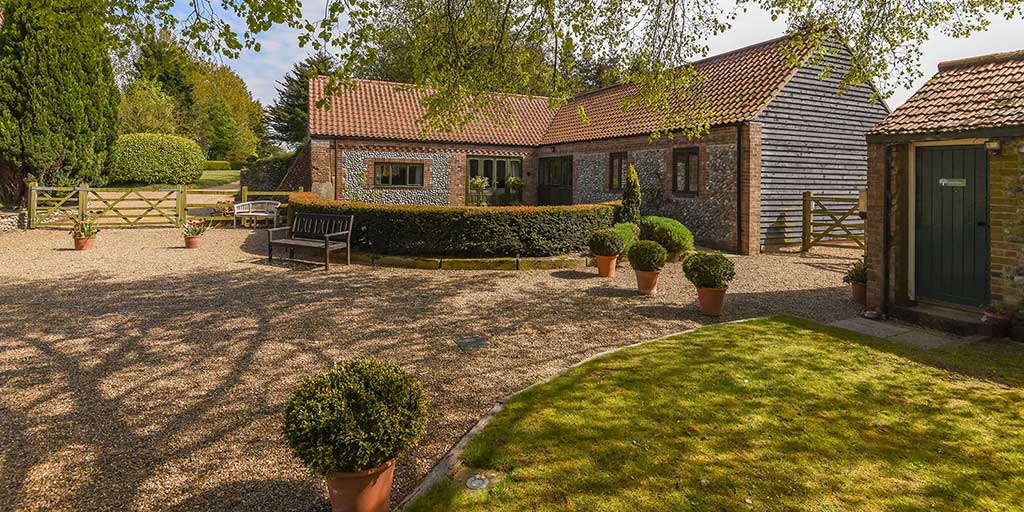
Farmers can play an enormous role in helping restore our butterflies and bees population. Visitors to Rookery Farm Barns will notice hedgerows that have been allowed to expand, providing a habitat for insects to make homes. The wildflower margins provide a rich source of food and shelter for many species and the farm is reducing fertiliser and pesticide use where possible. As you wander around the farm tracks, keep an eye out for a number of Norfolk residents: The iconic Swallowtail is the flagship butterfly for Norfolk, although very rare. Other butterflies specific to Norfolk are: Silver-studded Blue, White Admiral, Grayling, Dark Green Fritillary, and Grizzled Skipper
Notable bee species include: red-tailed bumblebee, white-tailed bumblebee, tree bumblebee, ashy mining bee, and the ivy bee.