Said like a true local

Said like a true local
Regional dialects have been diluted to the point of non-existence over the years. But, there are still the occasional words that pop up in sentences and cause everyone but the speaker to look a little bemused. In no county is this more evident than the words sometimes uttered during a conversation in Norfolk’s true local dialect.
There are periodic drives to bring regional dialect back into common parlance. Nature writer, Robert MacFarlane is one champion of reinstating old words that have lost their meaning over time. His work, The Lost Words, was written in collaboration with the artist Jackie Morris. It brought to the public’s attention a number of words, that were no longer in common usage. Most of these words were rooted in nature. The book went on to win 2017 Children’s Book of the Year at the The British Book of the Year awards.
A guide to local dialect

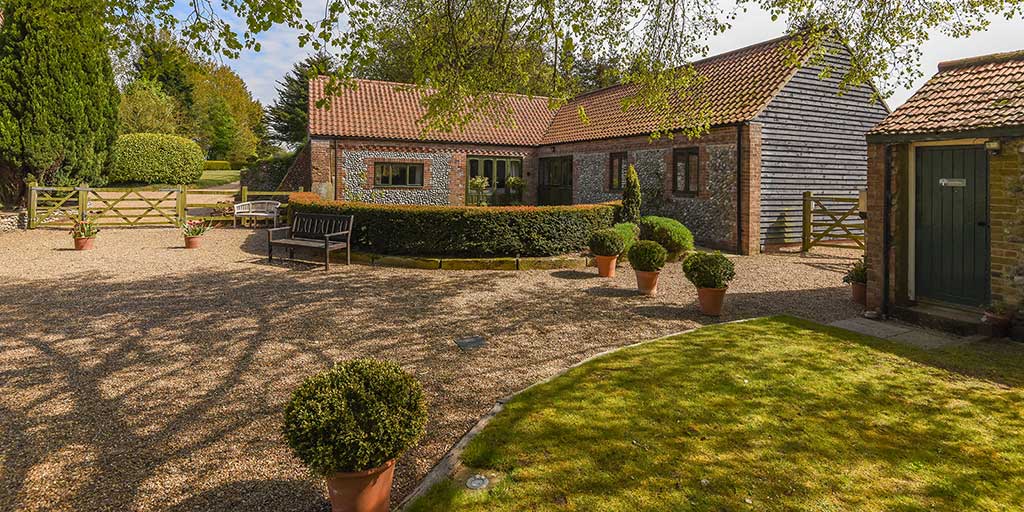
The Norfolk dialect is rich with such words. So, to help our Rookery Farm Barn visitors gain a deeper understanding of the Norfolk language and to remind local residents of our true local vernacular, here is a brief guide to some common and not so common Norfolk sayings.
The first thing to know is that anyone from outside the county boundary is instantly classed as a ‘vister’ or a ‘furriner’. And occasionally, furriers can get on ‘yer wick’.
The weather this year is a bit ‘rafty’ meaning damp or raw, while later in the winter hoar frosts are known as ‘rimers’. ‘Smur‘ is a fine rain or drizzle, while ‘snew‘ is the seasonal white stuff.
Just down the road, any person born in the seaside town of Sheringham is known as a Shannock, while a scruffy, untidy person is known to all and sundry as ‘Shuck’.
Talkin’ a load a suit ‘n; spuffle
A favourite saying is ’S/he talks a lot of ‘squit’, meaning to talk nonsense, while to talk ‘spuffle’ is to spout pompous ‘squit’. To ‘mardle’ is to gossip or chat.
Derivations of some place names become clearer when you consider a ‘pightle’ is a paddock; ‘Olland’ is old grassland, a ‘loke’ is a short alley, a ‘beck’ is a small stream and ‘marl’ is chalk.
Nature’s own language
The brilliant colours of the Goldfinch earned the bird the name King Harry, while the Canterbury bell is known as Lady’s smock. Erriwiggle is the delightful name for the earwig, Hedge Betty is a sparrow and a Harnser is a heron. The best name for one of nature’s beasts is the Bishy-barney-bee – otherwise known as the ladybird.

Things to beware of
If someone offers you a trip in the ‘hunnycart’, the best advice is to refuse. This is the vehicle that collects manure. Equally, don’t offer to collect the guzunder – it is a chamber pot. If someone ‘hulls’ something at you, then duck as it means to throw (a ball). And don’t eat anything that is described as ‘fosey’ as it will be coated in mildew.
However, if you are invited to ‘jollifercearshuns’, then say yes. It will probably mean an evening of fun and games down at the local.
With thanks to Norfolk Dialect.