The Big Farmland Bird Count: Discover Norfolk’s Feathered Stars
The Big Farmland Bird Count: Discover Norfolk’s Feathered Stars
Each year, bird lovers across the country take part in the Big Farmland Bird Count — a nationwide survey organised by the Game & Wildlife Conservation Trust to monitor the health of the UK’s farmland bird populations. And there is no better place to join in than around West Beckham in North Norfolk, where fields, woods and hedgerows provide a haven for some of Britain’s most cherished species.
The count encourages people to spend 30 minutes recording the birds they see on farmland, helping conservationists understand how species are faring. Visitors to Rookery Farm Barns in early spring are perfectly placed to spot a wonderful variety of birds — particularly these top five farmland favourites.
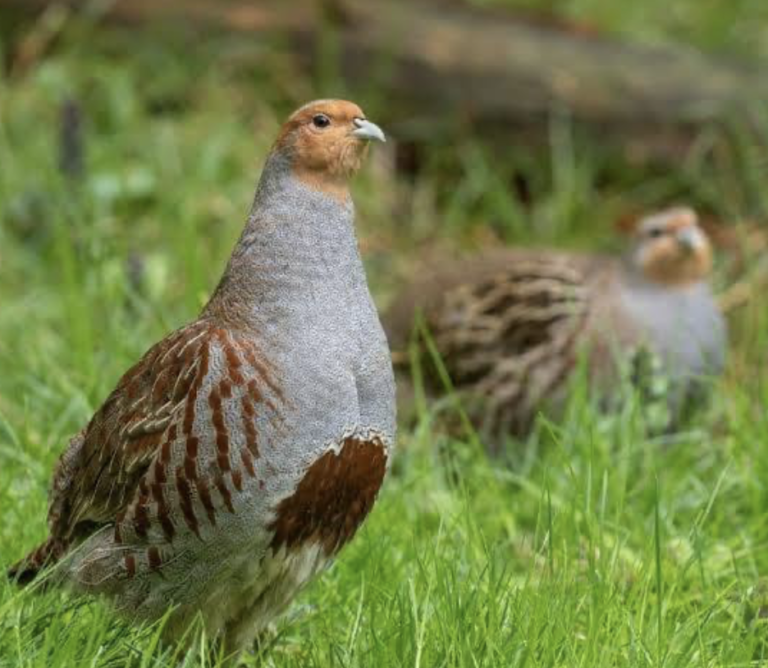
Grey Partridge
The grey partridge is something of a Norfolk icon. With its warm brown plumage and distinctive orange face, it thrives in well-managed arable landscapes. Once in serious decline, conservation efforts have helped stabilise numbers in parts of East Anglia.
Yellowhammer
With its bright yellow head and melodic “a little bit of bread and no cheese” call, the yellowhammer adds a splash of colour to winter hedgerows. Look for them perched along field edges or darting between bushes.
Linnet
Often seen in flocks, linnets are small finches with a delightful twittering song. Males develop a subtle red flush on their breast during breeding season. They favour scrubby farmland and coastal margins.
Lapwing
Recognisable by its iridescent green sheen and elegant crest, the lapwing is a true farmland character. In spring, their tumbling display flights are a spectacular sight over Norfolk’s open fields.
Tree Sparrow
Smaller and rarer than the house sparrow, tree sparrows are a conservation priority species. Look for their rich chestnut caps and distinctive black cheek spot.
Where the birds really count
Across the county — from the gently rolling arable land of North Norfolk to the expansive marshes near the coast at Cley — birdwatchers can experience firsthand why this region is so important for farmland wildlife. Taking part in the count offers more than data collection; it provides a moment to pause and appreciate the delicate balance between farming and conservation.
Norfolk’s farmers play a vital role in maintaining habitats through hedgerow management, winter seed mixes and conservation margins. Take a walk round Rookery Farm, on the farm’s many footpaths and you will see for yourself how the farmers manage the land so birds can thrive. The Big Farmland Bird Count highlights how collaborative efforts can support biodiversity while sustaining productive farmland.
Whether you are an experienced birder or a curious visitor with binoculars, Norfolk offers a front-row seat to some of Britain’s most treasured rural species. By joining the count, you become part of a national effort to safeguard the countryside soundtrack for generations to come.